
How to Find the Best Web Design Firms for Your Business
The best web design firms for a local business do more than make a site look good. Look for a firm that can show live work, explain how it will help customers find and use your site, and name the person who will keep your project on track. Ask about the full cost, what happens after launch, and how success will be measured.
A strong portfolio matters. So does a team that listens to your goals and gives clear answers before you sign. That is how you find a partner that can carry your vision through to launch.
I’m Luke Wherry, Marketing Director at Three Ring Focus. Since founding the agency in 2009, I’ve worked across web, SEO, PPC, and social media, and I’ll use that experience to help you assess the best web design firms.
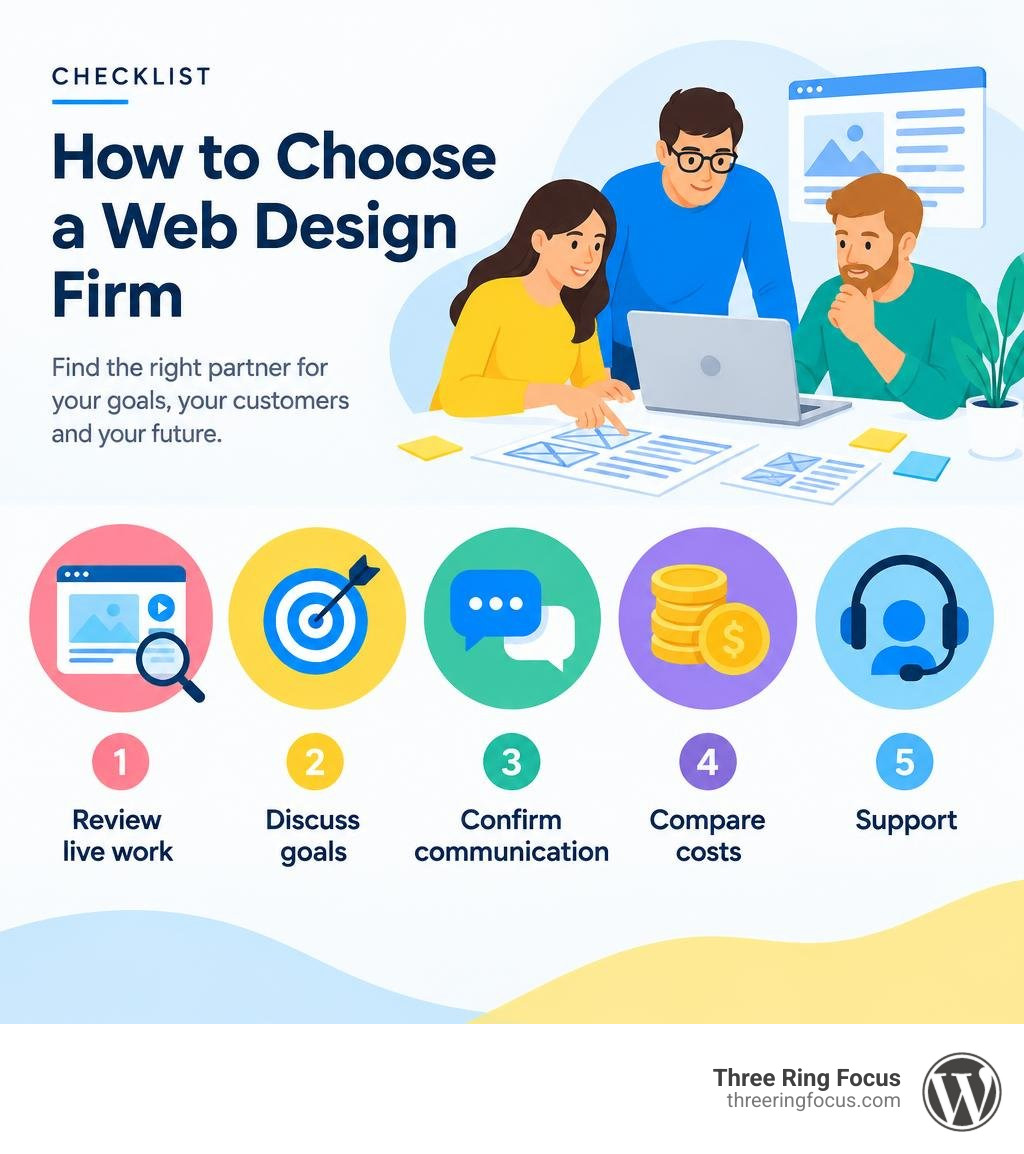
Easy best web design firms word list:
Key Selection Criteria to Evaluate the Best Web Design Firms
Finding a team that builds exceptional digital experiences requires evaluating far more than polished screenshots. Anyone can assemble a visually striking mock-up, but creating a digital platform that converts visitors into loyal clients takes strategic collaboration, structured project management, and verified technical execution.
When reviewing candidates, start by evaluating live websites rather than static image mockups. Reviewing live builds lets you test real-world loading speeds, mobile responsiveness, and interactive elements. In our definitive guide to choosing a web design agency, we emphasize that long-term client retention and proven case histories reveal whether an agency delivers reliable post-launch support. Industry reporting from DesignRush Highlights Top Web Design Companies Driving Growth Through Exceptional UX, illustrating how strategic design choices translate directly into measurable business expansion.
Agency size also plays an important role in your day-to-day experience:
- Boutique Agencies: Offer direct access to senior strategists, agile communication, and personalized workflows without layers of bureaucratic account management.
- Enterprise-Scale Firms: Provide deep internal departments and expansive technical teams, though smaller accounts may risk being handed off to junior staff once the contract is signed.
Before entering into an agreement, ask prospective partners these essential vetting questions:
- Who will be managing my day-to-day project milestones and communication?
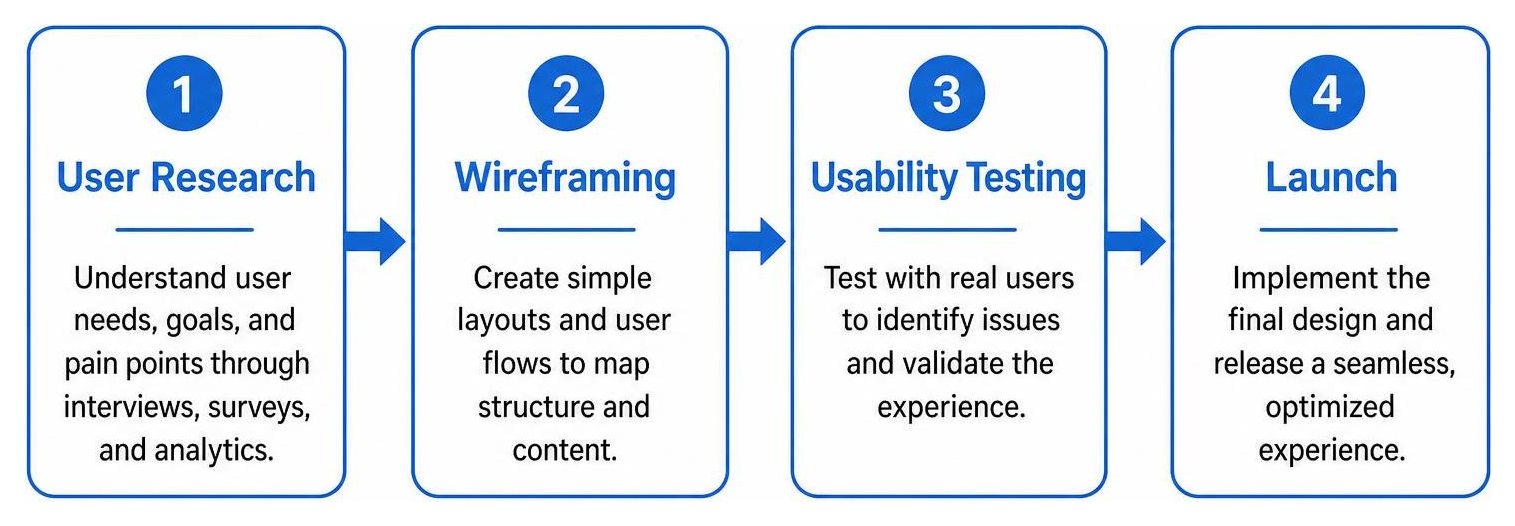
- How do you integrate search engine visibility and conversion funnels into wireframing?
- What is your QA testing process across legacy mobile devices and distinct browsers?
- What ongoing maintenance, security updates, and technical support do you provide post-launch?
- Who retains 100% legal ownership of custom assets, source code, and design files upon completion?
Evaluating Technical Stacks Used by the Best Web Design Firms
A high-performing website depends heavily on its underlying code architecture. The top agencies reject bloated page builders that introduce sluggish rendering times and security vulnerabilities. Instead, they write clean, semantic code and utilize modern development frameworks tailored to your long-term business goals.
We frequently discuss custom web design vs online templates with clients looking for sustainable scalability. Pre-made templates often carry excessive CSS, unused JavaScript, and rigid layouts that break when customized. Custom backend architecture allows clean API integrations with third-party software like CRMs, booking platforms, and custom ERP systems. Investing in clean foundational code prevents costly technical rebuilds as your traffic and operational demands scale.
Comprehensive Digital Services Offered by the Best Web Design Firms
An exceptional website cannot drive revenue in total isolation. It must operate as the central hub of your broader marketing engine. The most effective agencies provide full-spectrum digital solutions under one roof, eliminating miscommunication between separate vendors.
When your development team collaborates seamlessly with your marketing strategists, your site benefits from intentional user experience design that guides visitors naturally toward clear call-to-action touchpoints. Pairing conversion-focused UX with an intentional local SEO website design guarantees your business ranks prominently for high-intent customer searches while providing the visual credibility needed to turn clicks into sales.
CMS Platforms vs. Custom-Coded Websites: Choosing Your Technical Foundation
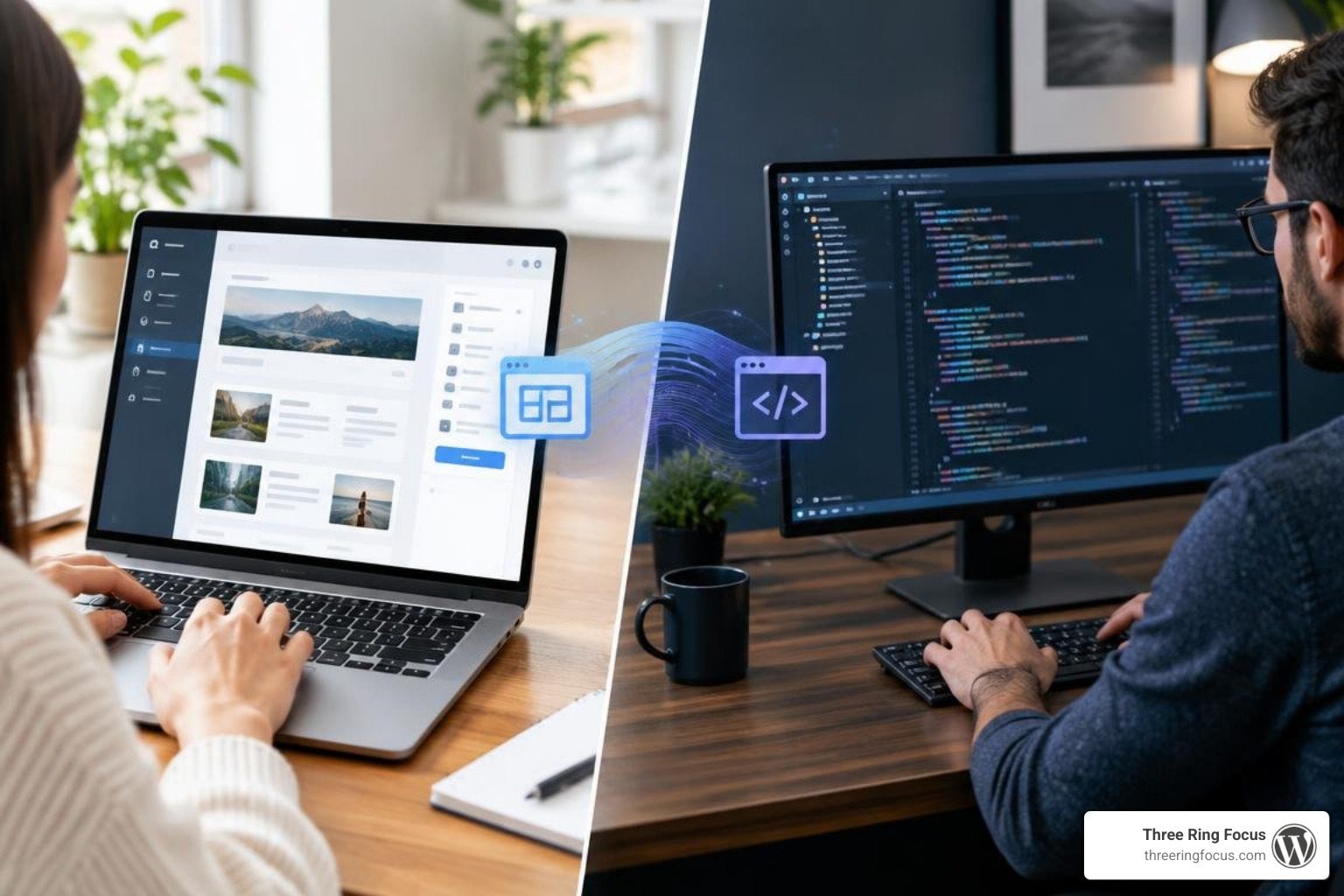
Selecting the right platform is one of the most critical decisions you will make during discovery. The choice between a modular content management system and a custom-coded web application shapes your site’s ongoing flexibility, internal administrative workflows, and maintenance costs.
Understanding CMS website design vs custom code ensures you avoid technical debt. While custom-coded frameworks deliver ultimate rendering speed and bespoke functionality, modern content management systems provide non-technical staff with the autonomy to publish updates without submitting a developer ticket for every text revision.
Content Management Systems: WordPress, Joomla, and Drupal
The CMS landscape features three primary open-source leaders, each serving specific technical proficiencies, architectural complexity levels, and scalability requirements:
| CMS Platform | Active Deployments | Extension Ecosystem | Ideal User Skill Level | Best Use Case |
|---|---|---|---|---|
| WordPress | 140 Million+ Sites | 55,000+ Plugins | Beginner to Intermediate | Business websites, blogs, lead generation, publication portals |
| Joomla | 65 Million Sites | 10,000+ Extensions | Intermediate | Community networks, membership directories, inventory sites |
| Drupal | 15 Million Sites | 34,000+ Modules | Advanced / Enterprise Developers | Complex enterprise databases, higher education, government portals |
WordPress powers the largest share of the web due to its massive extension library, user-friendly publishing workflow, and expansive developer community. Joomla bridges the gap between structured content taxonomies and ease of use, though its extension ecosystem is smaller. Drupal provides an enterprise-grade framework equipped with advanced role-based access permissions and deep data modeling capabilities, making it ideal for large-scale operations with dedicated development support.
Dedicated eCommerce Engines: Shopify, Magento, and Spree
When online sales serve as your primary business model, selecting the right eCommerce engine directly impacts checkout conversion rates, payment gateway management, and back-office order fulfillment:
| Platform | Launch Speed | Customization Depth | Relative Dev Cost | Primary Architectural Strength |
|---|---|---|---|---|
| Shopify | Rapid (Days to Weeks) | Moderate (SaaS Guardrails) | Low to Medium | Turnkey hosting, out-of-the-box mobile readiness, streamlined checkout |
| Spree Commerce | Moderate (Custom Build) | High (Ruby on Rails Modular) | Medium to High | Lightweight API-first flexibility, custom checkout flows, fast performance |
| Magento (Adobe Commerce) | Extended (Months) | Limitless (Enterprise Architecture) | High to Very High | Massive SKU catalog management, B2B wholesale pricing, multi-store support |
Shopify provides rapid deployment with minimal server management overhead. For brands requiring bespoke business logic without SaaS transaction fees, Spree Commerce delivers a modular Ruby-on-Rails alternative. Meanwhile, enterprise retailers managing massive catalogs across global storefronts rely on Magento for complete infrastructure control.
Informational Websites and Dynamic Website Features
Clarifying your website’s primary function determines the scope of development needed:
- Informational Websites: Serve as digital marketing brochures designed to establish brand authority, educate prospective buyers, and generate qualified sales leads through optimized inquiry forms.
- Dynamic Web Applications: Function as interactive software platforms that manage dynamic databases, user authentication portals, multi-tiered subscription billing, and real-time data calculations.
Balancing dynamic features with streamlined site architecture ensures your platform provides engaging utility without sacrificing page speed or introducing security risks.
Essential Web Design Trends and UX Strategies That Drive ROI

Modern web design has evolved beyond pure visual art into a measurable driver of commercial growth. Data demonstrates that businesses can realize up to a 9,900% ROI for every dollar invested in strategic user experience improvements. By focusing on intuitive navigation, visual hierarchy, and friction-free conversion paths, professional UX design eliminates checkout hurdles and boosts qualified customer inquiries.
Great digital strategy blends brand storytelling with universal accessibility and cultural awareness. Modern websites must comply with foundational accessibility standards to provide an intuitive experience for every user regardless of physical ability. Integrating inclusive visual design and localized content nuances ensures your brand resonates across diverse geographic audiences.
Mobile-First Layouts and Responsive Architecture
With mobile usage accounting for approximately 65% of total internet browsing time, developing for desktop displays first is an outdated approach. Modern digital experiences must be architected from the ground up for handheld viewports.
Implementing fluid responsive web design ensures page layouts, typography, and visual assets adapt dynamically across various device dimensions. Mobile optimization requires designing generous touch targets for thumb navigation, eliminating intrusive popups that obstruct viewports, and prioritizing website speed optimization to prevent mobile visitors from abandoning slow-loading pages.
Mastering the Five-Second First Impression Window
Online visitors form an impression of your brand almost immediately. A user typically decides whether to stay on your website or leave within about 5 seconds. Failing to engage visitors within this critical window results in high bounce rates and lost revenue opportunities.
To capture user attention within the first 5 seconds:
- Feature a Clear Value Proposition: State exactly what service you offer and who you serve above the fold.
- Maintain Visual Simplicity: Use generous whitespace and clean typography to prevent cognitive overload.
- Provide an Obvious Call-to-Action: Position clear, high-contrast action buttons where eyes land naturally.
- Display Trust Indicators: Highlight verified customer reviews, industry accreditations, and security badges immediately.
Frequently Asked Questions About Web Design Partnerships
How do hourly rates and agency locations impact project costs?
Agency pricing models reflect regional overhead, team size, and specialized technical expertise. Major metropolitan agencies often charge higher blended hourly rates ($150 to $250+ per hour) to cover substantial operational overhead. Boutique agencies based in regional hubs offer the same level of senior creative talent and technical execution at more competitive rates. More important than physical geography is working with a team that maintains responsive communication schedules and direct accountability.
Why is UX design critical for long-term business ROI?
User experience design directly shapes how easily prospective clients find information and complete transactions on your site. By analyzing customer behavior and removing checkout or form friction, UX optimization increases conversion rates, lowers customer acquisition costs, and encourages repeat visits. These structural improvements compound over time, turning your digital platform into an efficient, automated revenue channel.
How often should a business invest in a complete website redesign?
Most businesses benefit from a complete visual and structural redesign every two to four years. However, rapid shifts in your brand identity, declining search engine rankings, or outdated mobile performance indicate that it may be time to evaluate when to redesign your website sooner to stay ahead of market competitors.
Conclusion
Finding the right digital partner comes down to finding a team that respects your vision, communicates transparently, and backs up creative concepts with sound technical execution. By prioritizing proven client outcomes, mobile-first responsive architecture, and unified digital marketing services, you ensure your next website acts as a dependable engine for measurable business growth.
When you are ready to build a high-converting website backed by integrated branding, SEO, and full-spectrum marketing, partner with our dedicated team at Three Ring Focus to bring your digital vision to life.